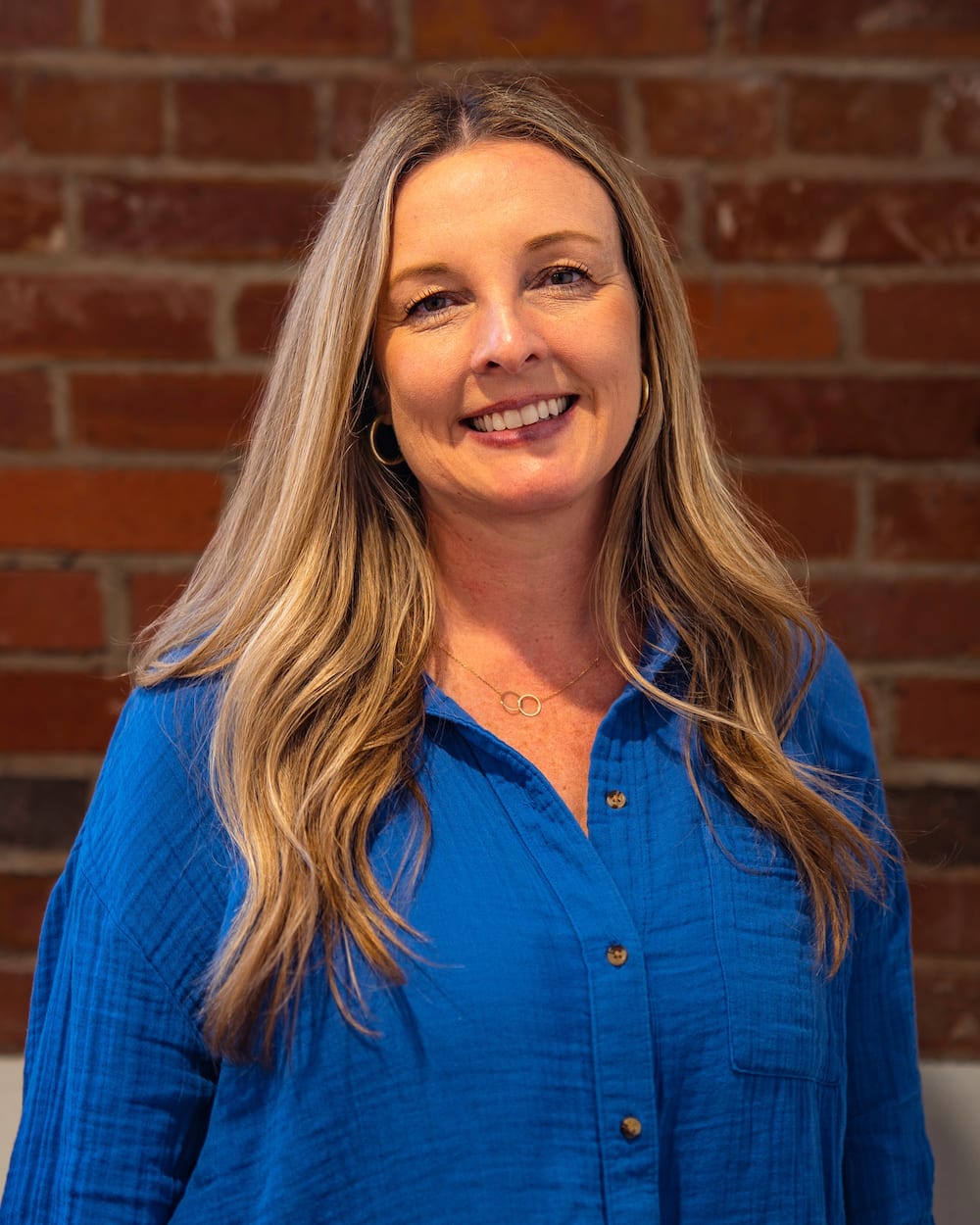
This work was not built in a classroom or a clinical office. It was shaped by real seasons of pain, confusion, and rebuilding. The people on this team know what it feels like to sit in the middle of a story that feels impossible to finish well.
Jamie built this work because she needed it once and it didn't exist. After walking through her own season of betrayal, she found that most support systems were designed to help individuals survive. What she needed was something that helped her whole family find a path forward together.
What makes Jamie different in this work is not a long list of certifications. It's that she has sat in the chair on the other side of this conversation. She knows the disorientation of discovery. She knows what it costs a person to rebuild dignity after trust has been broken. And she knows that healing is not a performance. It is slow, honest, and deeply personal.
In sessions, Jamie creates environments where the truth can be told without weaponizing it. She helps betrayed partners find their voice again without losing themselves in the process. She holds space for grief, anger, and the complicated hope that starts to surface when both people are willing to do the work.
Families describe her as steady. Not distant, not clinical. Present in the way that people need when they are in the middle of something terrifying. She is the kind of person who makes you believe that your story is not over.
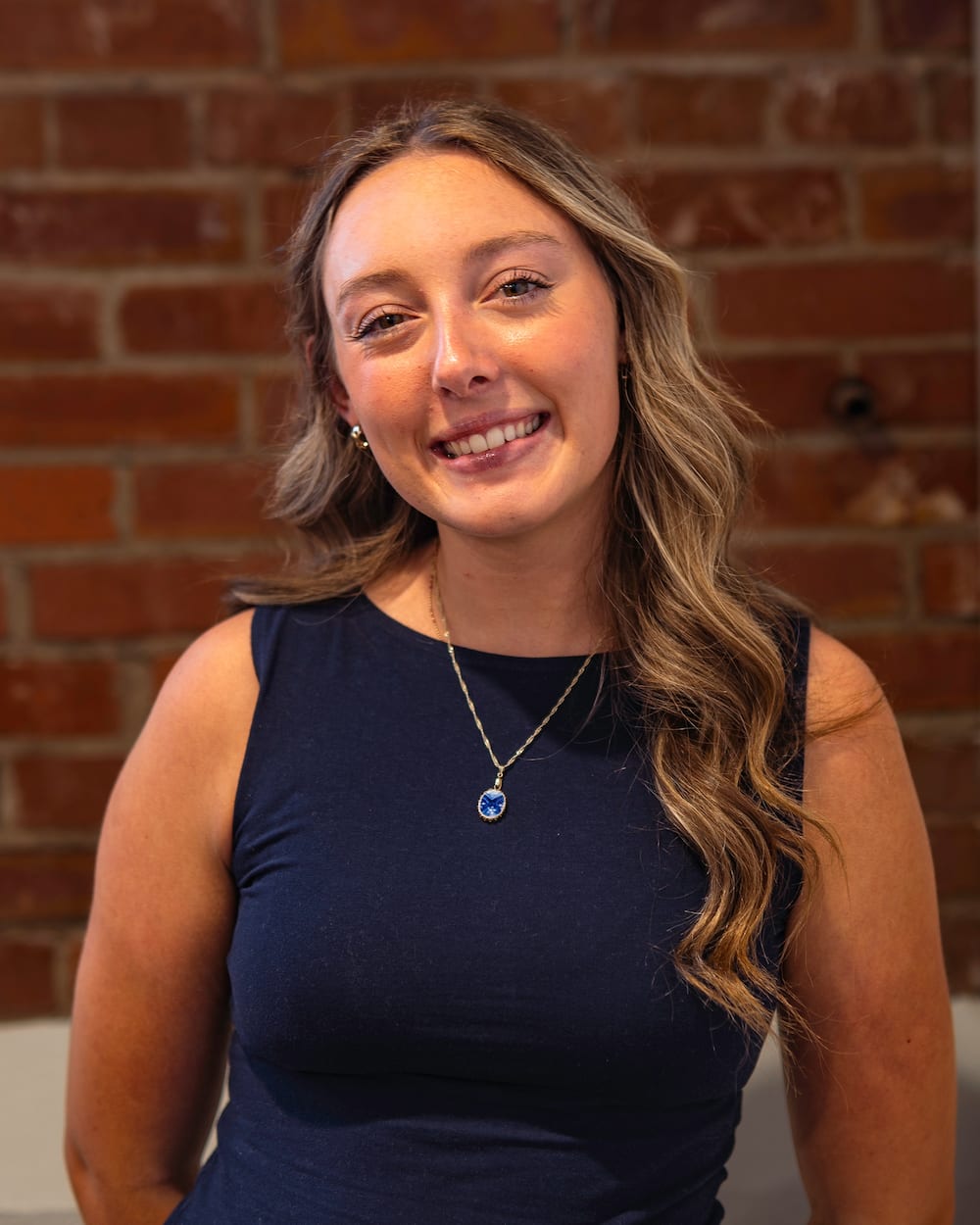
Drew will tell you that getting sober was the thing that saved his life. But it was the harder work of rebuilding his family that changed who he became. There is a version of recovery that stops at personal sobriety and leaves a family still quietly broken. Drew knows that version well, and he has spent years building something better.
His strength is helping people see forward when everything in front of them looks like rubble. He is a storyteller and a systems thinker. He finds the framework underneath the chaos and makes it visible. He has a way of looking at a family's situation and naming what they could not name themselves.
Drew is the architect of how this work is structured. He built The RESILIENT Pathway because he needed a roadmap once and there wasn't one. His passion is making sure other families don't have to figure this out alone.
Grace grew up inside a story of restoration. She watched her parents do the difficult, honest work of rebuilding their family, and she understands from the inside what that process actually looks like for the children in the room. That perspective is not something you can teach from a textbook.
In her role, Grace is the person who makes sure families feel held from the first conversation. She handles the communication, coordination, and care that keeps the work running. She brings a quality to the team that is hard to name but immediately felt: she notices people. She pays attention. And she creates the kind of steadiness that families need when they are stepping into something vulnerable.
Her voice in this work represents a generation that grew up watching recovery happen and came out believing that healing is real, that families can change, and that honesty is always worth it.
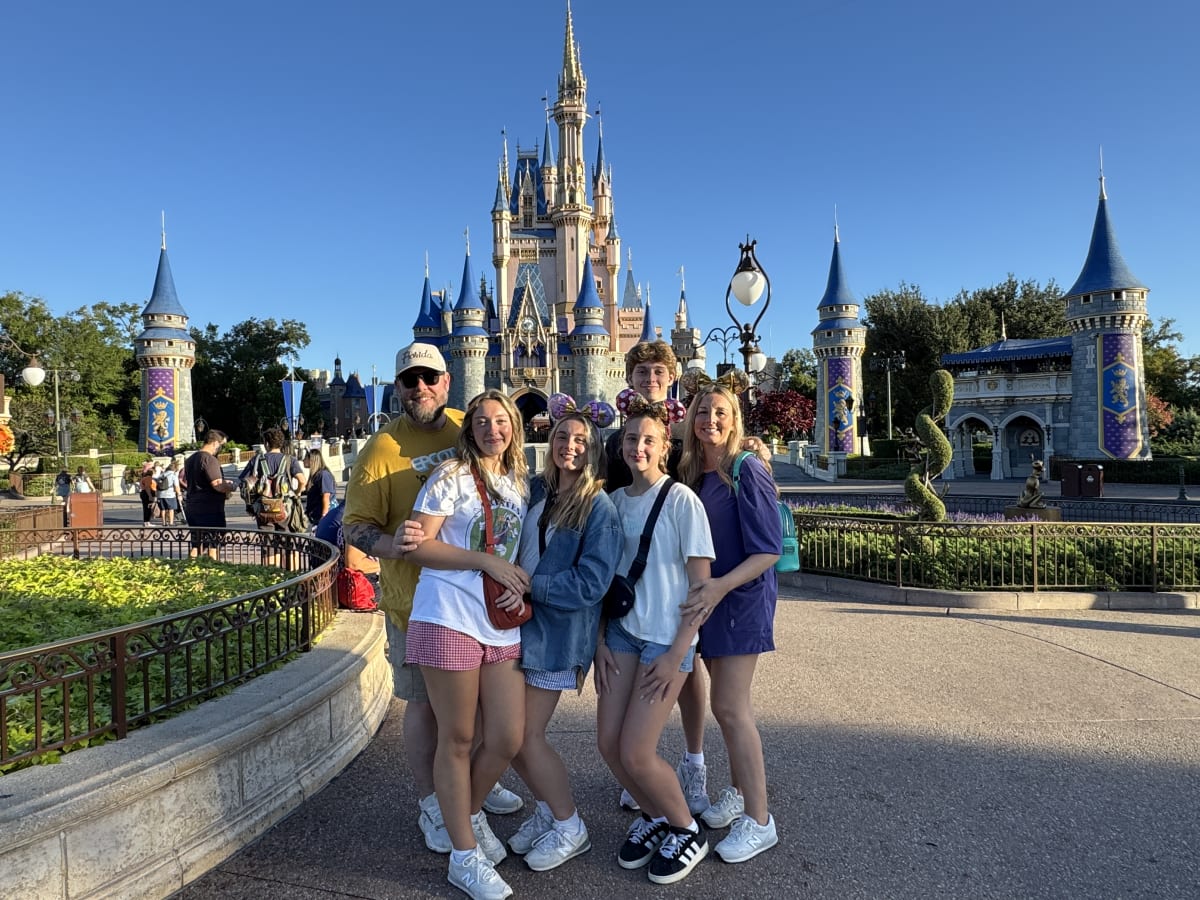
Most families don't hit a crisis moment with a plan in place. They hit it confused, ashamed, and unsure who to call. Betrayal doesn't announce itself. Addiction rarely comes with clean answers. And relational disconnection can build for years before anyone knows how to name it.
When everything surfaces, the question most families face is simple and terrifying: Is there a way through this?
Resilient Family Co. was not created out of theory or clinical models. It was created because the people who built it have sat in that same place of not knowing. They have navigated the shock of discovery, the slow work of rebuilding trust, the conversations that felt impossible, and the quiet hope that something better was still possible.
That experience is not a credential to advertise. It's the reason this work exists. And it's the thing that makes the difference for families who need to feel understood, not just guided.
Healing requires three things that are genuinely difficult to hold at the same time: truth, ownership, and compassion. When one of those is missing, the work stalls. Families come to us at different points in that tension.
Both partners are often carrying pain, even when it looks completely different. The betrayed partner is navigating shock, grief, and a broken sense of safety. The partner who caused harm is often carrying shame, fear, and patterns of disconnection they don't fully understand yet.
Our team does not believe in punishment as a path to healing. We don't believe shame produces lasting change. And we don't rush reconciliation before the conditions for real trust have been built.
The goal is a family that has done something genuinely hard together, and built something stronger because of it. That is possible. We have seen it. And it is what this work is designed to move families toward.
This is not a practice built around one person. Jamie, Drew, and Grace operate as a real team, not a hierarchy with supporting roles underneath it. Each person brings something distinct, and families receive all of it.
Jamie holds the relational and emotional core of the work. Drew holds the vision, the frameworks, and the forward momentum. Grace holds the care, the communication, and the steadiness that makes every family feel genuinely supported. Together they cover the ground that no single guide can cover alone.
Families inside The Resilient Pathway are not handed off or passed around. They are held by a team that talks to each other, coordinates around their specific situation, and brings relational, emotional, and strategic support at every stage of the process.
What you are carrying is heavy. The confusion, the grief, the questions that don't have clean answers. The fear that the damage is permanent. The exhaustion of trying to hold together something that keeps falling apart. None of that is lost on us.
Healing is not fast. It is not simple. And it does not happen by accident. But it is genuinely possible. Families rebuild trust. Couples find their way back to each other. Children regain stability. Homes that were shaped by secrecy and distance can become places of honesty and safety. We have watched this happen. It is why we do this work.
You do not have to have it figured out before you reach out. You just have to be willing to take one step toward something different.
Wherever you are in the story, there is a way forward.